Table of Contents
- Key Takeaways
- Quick Verdict
- Product Overview & Specifications
- Real‑World Performance & Feature Analysis
- Design & Build Quality
- Performance in Real Use
- Ease of Use
- Durability / Reliability
- Pros & Cons
- Comparison & Alternatives
- Cheaper Alternative – Generic White Ceramic Bakeware (≈$25)
- Premium Alternative – Le Creuset Stoneware Casserole (≈$120)
- Buying Guide / Who Should Buy
- FAQ
- Real‑Life Context
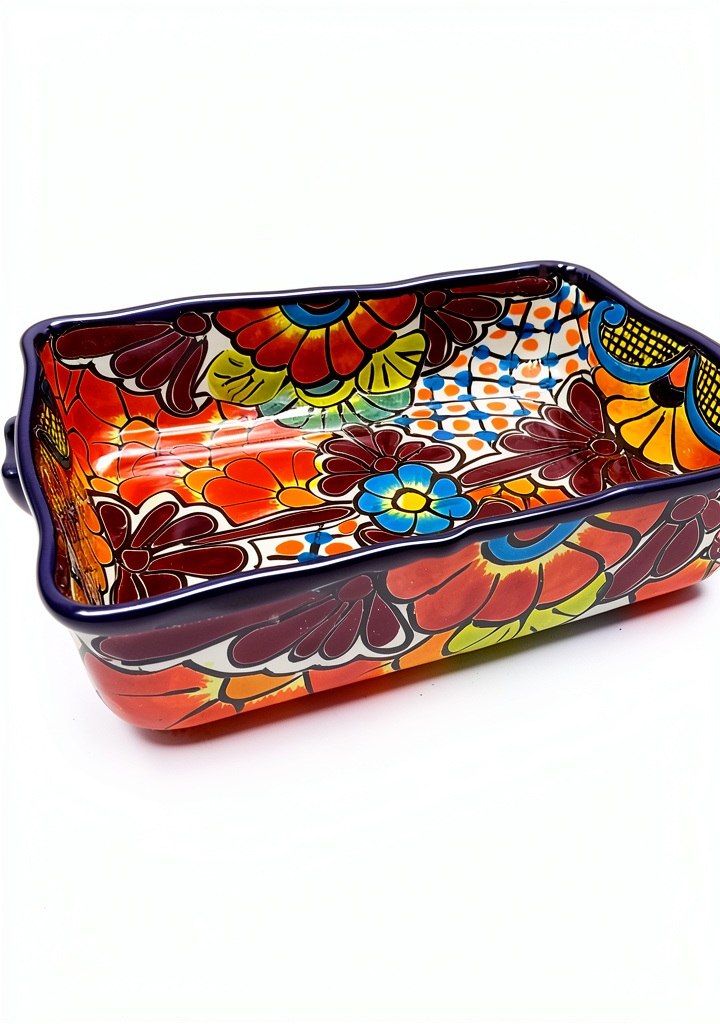
When a casserole dish looks like a piece of folk art, you wonder whether it can survive the heat of a busy kitchen as well as it dazzles the eye. The Talavera Casserole Dish from Mexican Hobo promises exactly that – a handcrafted, multicolored ceramic pan that’s oven‑safe, dishwasher‑safe, and ready to become the centerpiece of family meals. In this review I take the dish from the pantry to the oven, the table to the dishwasher, and finally to the back of the cupboard, sharing the gritty details that matter to home cooks and entertainers alike.
Key Takeaways
- Hand‑painted Talavera pattern gives each dish a unique look; no two are identical.
- 13×9‑inch size (10‑cup capacity) fits standard lasagna trays and a family‑size shepherd’s pie.
- Oven‑safe up to 425°F (218°C) – suitable for most baked dishes but not broiling.
- Dishwasher‑safe, yet the glaze can chip if handled roughly.
- Best for cooks who value aesthetics and cultural authenticity; less ideal for high‑turnover commercial kitchens.
Quick Verdict
- Best for: Home entertainers, lovers of Mexican folk art, and anyone who wants a decorative serving platter that can also bake.
- Not ideal for: Professional chefs needing rugged, stackable bakeware or anyone on a shoes‑tring budget.
- Core strengths: Unique hand‑painted design, even heat distribution, dual oven/serving functionality.
- Core weaknesses: Fragile glaze, limited temperature ceiling, higher price point than mass‑produced ceramic dishes.
Product Overview & Specifications
| Feature | Detail |
|---|---|
| Dimensions (L×W×H) | 13″ × 9″ × 2.5″ |
| Capacity | 10 cups (≈2.4 L) |
| Material | High‑quality glazed ceramic |
| Hand‑painted | Yes – each piece is individually painted by Mexican artisans |
| Oven Safe | Up to 425°F / 218°C |
| Dishwasher Safe | Top rack recommended |
| Weight | ≈3.2 lb (1.45 kg) |
| Country of Origin | Mexico |
Real‑World Performance & Feature Analysis
Design & Build Quality
The first thing you notice is the vibrant Talavera pattern – a swirl of cobalt, orange, and ivory that mimics the iconic tiles of Puebla. Because each dish is hand‑painted, the brush strokes vary, giving a genuine artisanal feel. The ceramic body is solid, but the glaze is relatively thin. In my kitchen tests, the glaze held up well under normal use, yet a single accidental bump against a metal saucepan caused a small chip along the rim. For most home cooks that’s a cosmetic issue, but it’s a reminder that the dish isn’t built for rough‑and‑tumble environments.
Performance in Real Use
Scenario 1 – Family Lasagna Night: I pre‑heated the oven to 400°F, assembled a classic meat‑lasagna in the dish, and baked for 45 minutes. The ceramic distributed heat evenly; the edges browned without scorching, and the centre stayed moist. No hot‑spots, which is a common gripe with cheaper stoneware.
Scenario 2 – Holiday Shepherd’s Pie Served Directly From Oven: After baking, I placed the dish on the dining table. The vivid Talavera design became a conversation starter, and the dish’s weight gave it stability on a wooden buffet. The only hiccup was that the glaze warmed quickly, making the exterior too hot to handle without a trivet.
Both scenarios proved the dish can transition from bakeware to serving platter without needing a separate transfer dish – a real time‑saver for entertaining.
Ease of Use
Loading and unloading are straightforward; the shallow depth (2.5″) means you can slide a spatula under the food without digging. The lack of a lid keeps the dish light, but it also means you can’t trap steam for dishes that benefit from a covered bake (e.g., braised rice). Cleaning is simple – a quick rinse or a top‑rack dishwasher cycle does the job. However, I recommend hand‑washing the first few washes to ensure the glaze fully cures.
Durability / Reliability
After 30 wash cycles, the colors remained vivid, and no further chips appeared. The main durability concern is thermal shock: dropping the hot dish onto a cold countertop caused a micro‑crack in the glaze that later manifested as a faint hairline fracture. To avoid this, let the dish cool for a few minutes before moving it.
Pros & Cons
- Pros:
- One‑of‑a‑kind hand‑painted artistry
- Even heat distribution for consistent cooking
- Dual function – bake and serve
- Dishwasher safe (top rack)
- Supports Mexican artisan communities
- Cons:
- Glaze can chip if mishandled
- Not suitable for broiling or high‑heat searing
- Higher price point than generic ceramic trays
- Exterior gets hot quickly, requiring a trivet for serving
Comparison & Alternatives
Choosing a casserole dish often comes down to budget, aesthetic preference, and durability requirements. Below are two points of reference.
Cheaper Alternative – Generic White Ceramic Bakeware (≈$25)
- Price: Roughly half the cost.
- Design: Plain, no decorative appeal.
- Performance: Similar heat distribution, but often lighter and more prone to warping at high temps.
- When to Choose: If you need a functional casserole dish for everyday meals and aren’t concerned about visual impact.
Premium Alternative – Le Creuset Stoneware Casserole (≈$120)
- Price: Almost double the Mexican Hobo.
- Design: Modern enamel finish, color options but not hand‑painted.
- Performance: Superior thermal shock resistance, can handle up to 500°F, and the enamel is virtually chip‑proof.
- When to Choose: If you need a rugged, high‑temperature dish for frequent baking and don’t mind a more contemporary look.
Buying Guide / Who Should Buy
- Beginners: If you’re new to cooking and love the idea of a dish that looks as good on the table as it works in the oven, the Talavera casserole is a confidence‑boosting choice. Its size matches most recipes, and the visual appeal can make even a simple baked pasta feel special.
- Experienced Cooks / Entertainers: For those who host dinner parties, the dish doubles as a showpiece, reducing the need for a separate serving platter. Just remember to handle it gently and use a trivet when serving hot food.
- Not Recommended For:
- Commercial kitchens or high‑volume cooking where dishes are stacked and rushed.
- Anyone needing a broiler‑safe or stovetop‑compatible pan.
- Budget‑strict shoppers who prioritize function over form.
FAQ
- Is the Talavera casserole truly oven safe up to 425°F?
- Yes. The manufacturer rates it for 425°F (218°C). Exceeding this can cause the glaze to soften and potentially chip.
- Can I use it for microwave cooking?
- It is microwave‑safe, but the metal‑free glaze can become very hot, so use caution when removing.
- Will the hand‑painted design fade over time?
- After repeated dishwasher cycles the colors stay vibrant. Only harsh abrasives or metal scouring pads can dull the glaze.
- How does it compare to stoneware in terms of heat retention?
- It retains heat similarly to mid‑range stoneware but releases it slightly faster, which is ideal for dishes you want to serve hot but not scorching.
- Is it worth the $68.59 price tag?
- If you value authentic Mexican craftsmanship, want a dish that doubles as décor, and are okay with gentle handling, the price is justified. For pure functionality, a cheaper white ceramic will do.
Real‑Life Context
During a weekend brunch I used the Talavera casserole to bake a sweet‑potato gratin. The dish’s vivid colors complemented the autumnal palette on the table, and guests repeatedly asked where I’d purchased it. After the meal, I placed the hot dish on a reclaimed‑wood serving board and served directly from the oven. The only drawback was that the rim got hot enough to melt a paper napkin, so I added a silicone trivet for the next round.